The StargazerKit Blog
Guides, techniques and stories for amateur astronomers
Long-form articles written for real observers under real skies. No affiliate links, no gear churn — just the concepts, methods, and small habits that make every clear night more rewarding.
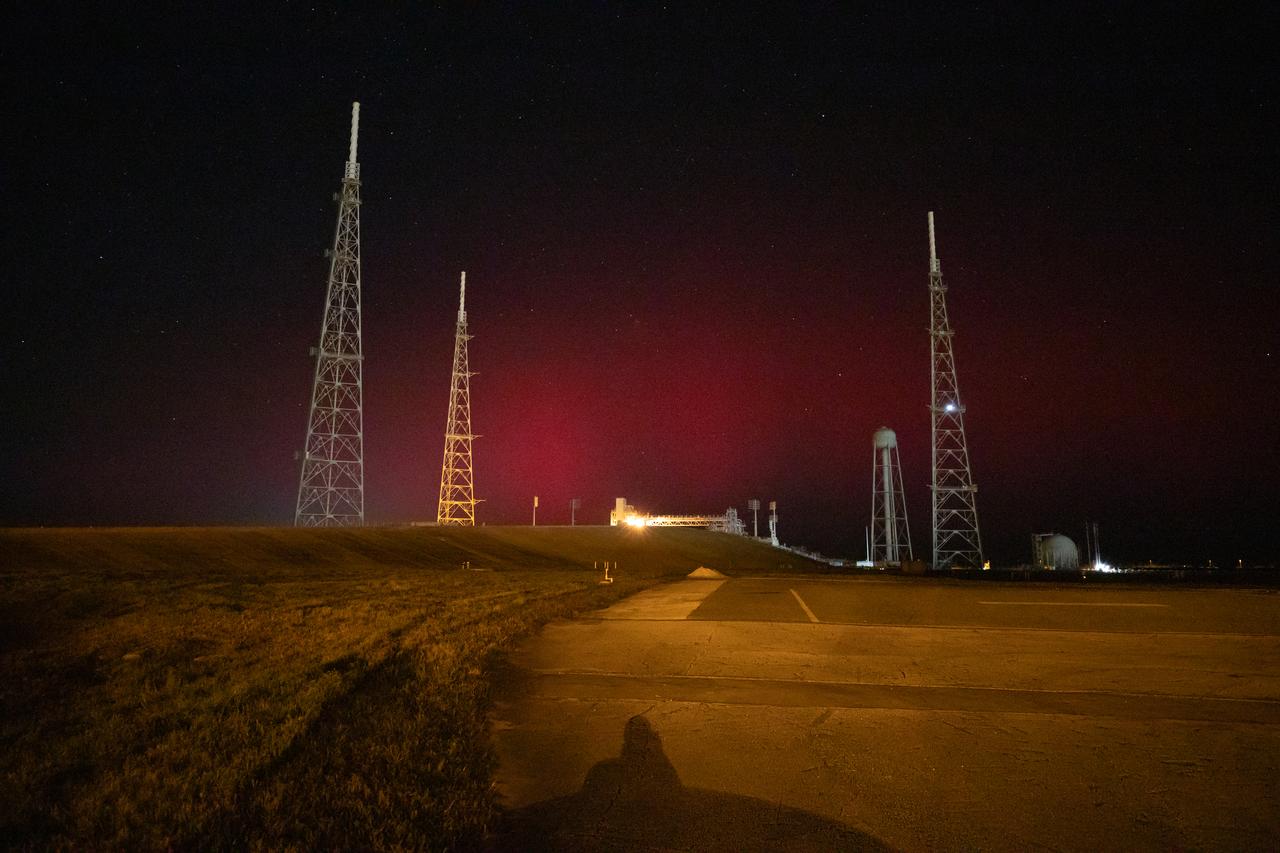
Chasing Aurorae: Space Weather for Amateur Observers
Aurora forecasting is genuinely predictable a few hours ahead and nearly useless a week ahead. Which numbers matter, why Bz is more important than Kp, and how to photograph the result.
Read the article →All articles
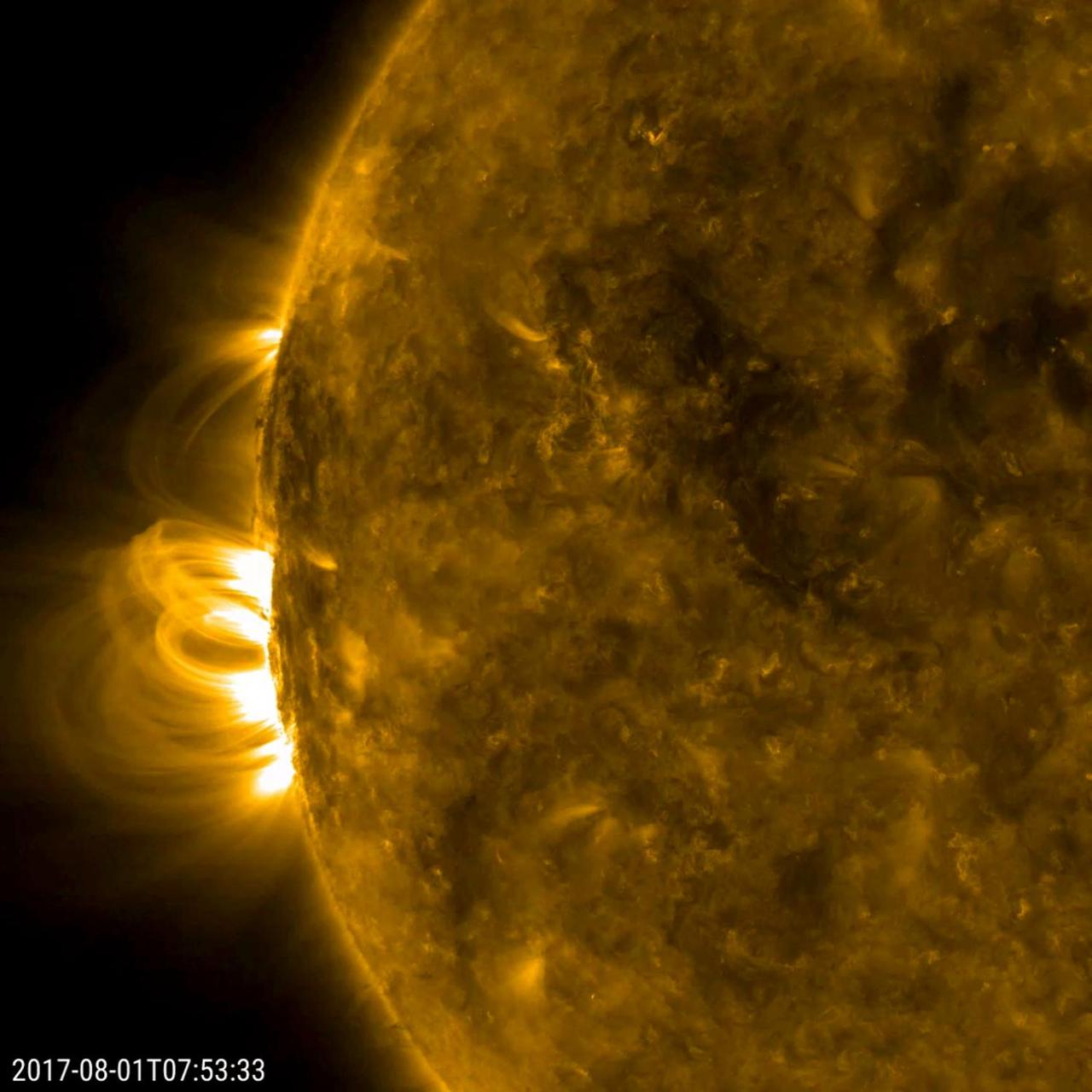 Sun
SunObserving the Sun Safely: Sunspots and the Solar Cycle
The only target that can blind you in a second is also the only star you can watch change from day to day. Filters that are safe, filters that are dangerous, and what to look for.
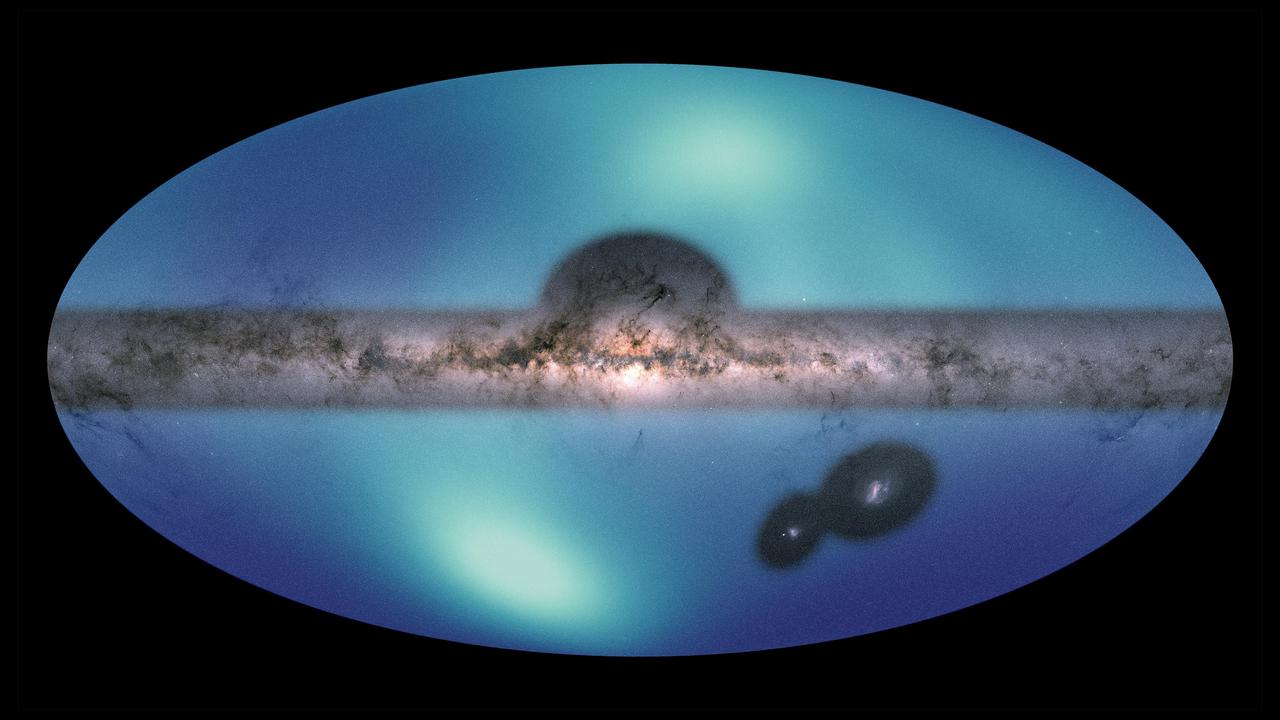 Learning
Celestial Coordinates Explained: Right Ascension, Declination and Sidereal Time
Why the sky is mapped in hours instead of degrees, how to work out what is circumpolar from your own latitude, and the one clock that tells you when an object is best placed.
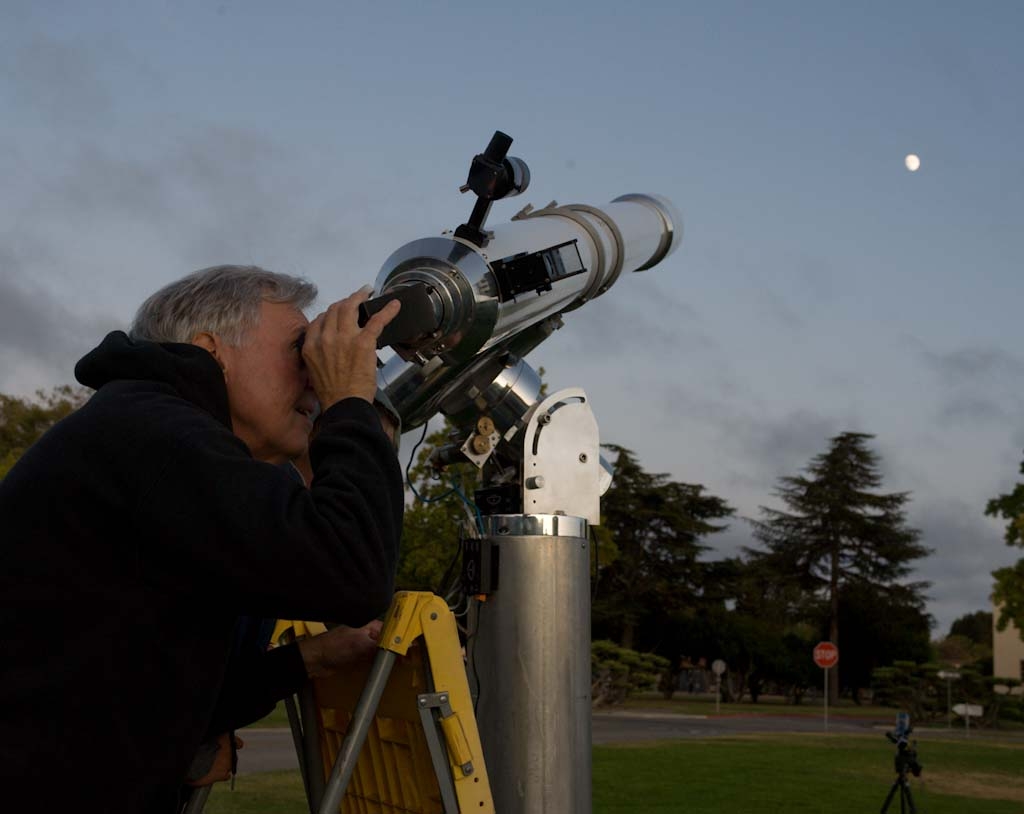 Gear
GearCollimation and Telescope Maintenance Without the Anxiety
The five-minute alignment routine that newcomers dread for no reason, why cleaning your mirror is usually the wrong instinct, and the dull habits that keep optics working for decades.
 Deep Sky
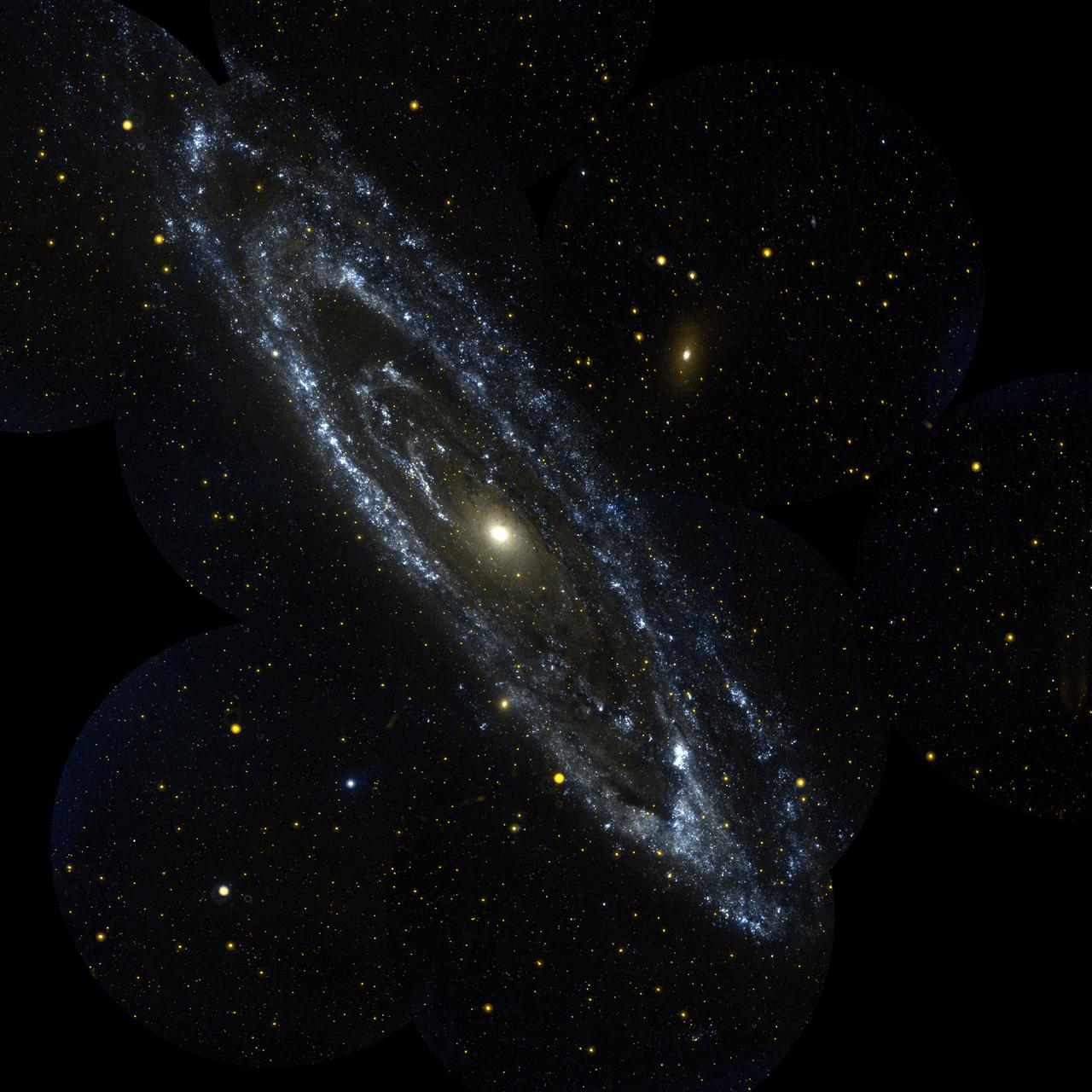
Star Hopping Your Way Through the Messier Catalogue
The finder-chart skill that GoTo mounts quietly took away, a worked hop to M13 step by step, and how to see more in a grey smudge than you thought was there.
 Sky Conditions
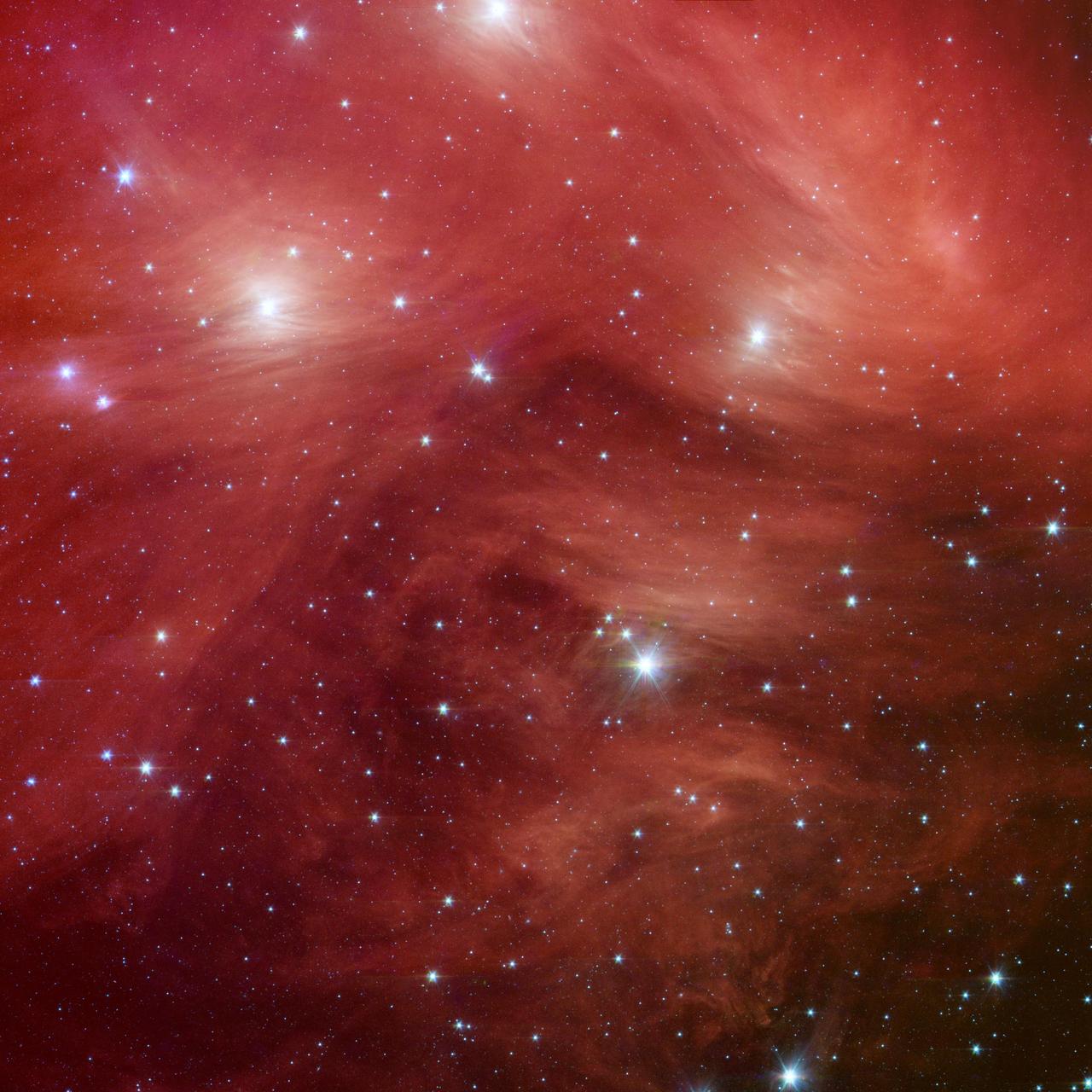
Light Pollution, the Bortle Scale, and What You Can Still See
How skyglow actually degrades your view, what each Bortle class really looks like at the eyepiece, and a realistic list of targets that survive a bright suburban sky.
 Gear
GearChoosing and Using Binoculars for Astronomy
Why a pair of 10x50s outperforms a cheap telescope on most nights, how to decode the numbers on the barrel, and the dozen targets that look genuinely better in binoculars.
 Learning
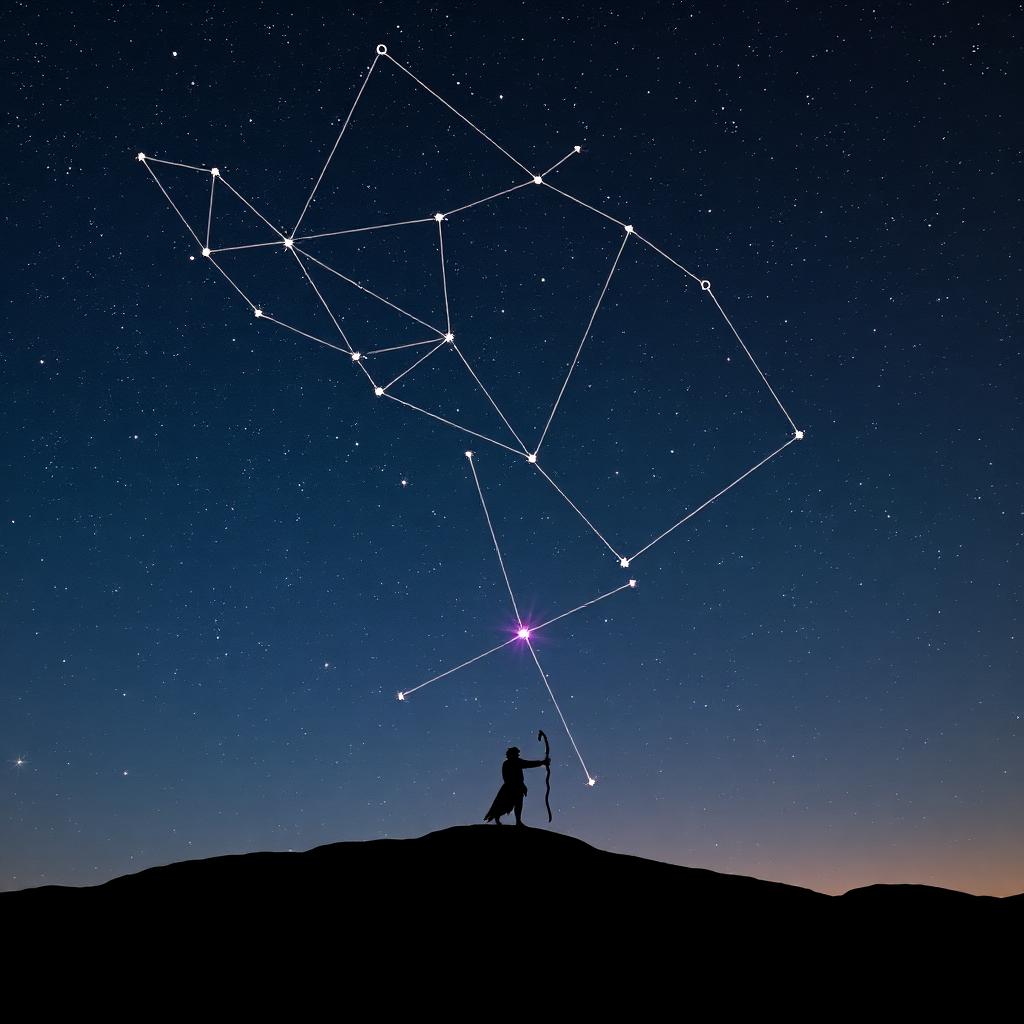
Constellations, Stories, and How to Actually Learn the Sky
Why memorising constellations feels impossible at first, the shortcuts real observers use, and how ancient mythology still helps modern amateurs orient themselves under any sky.
 Events
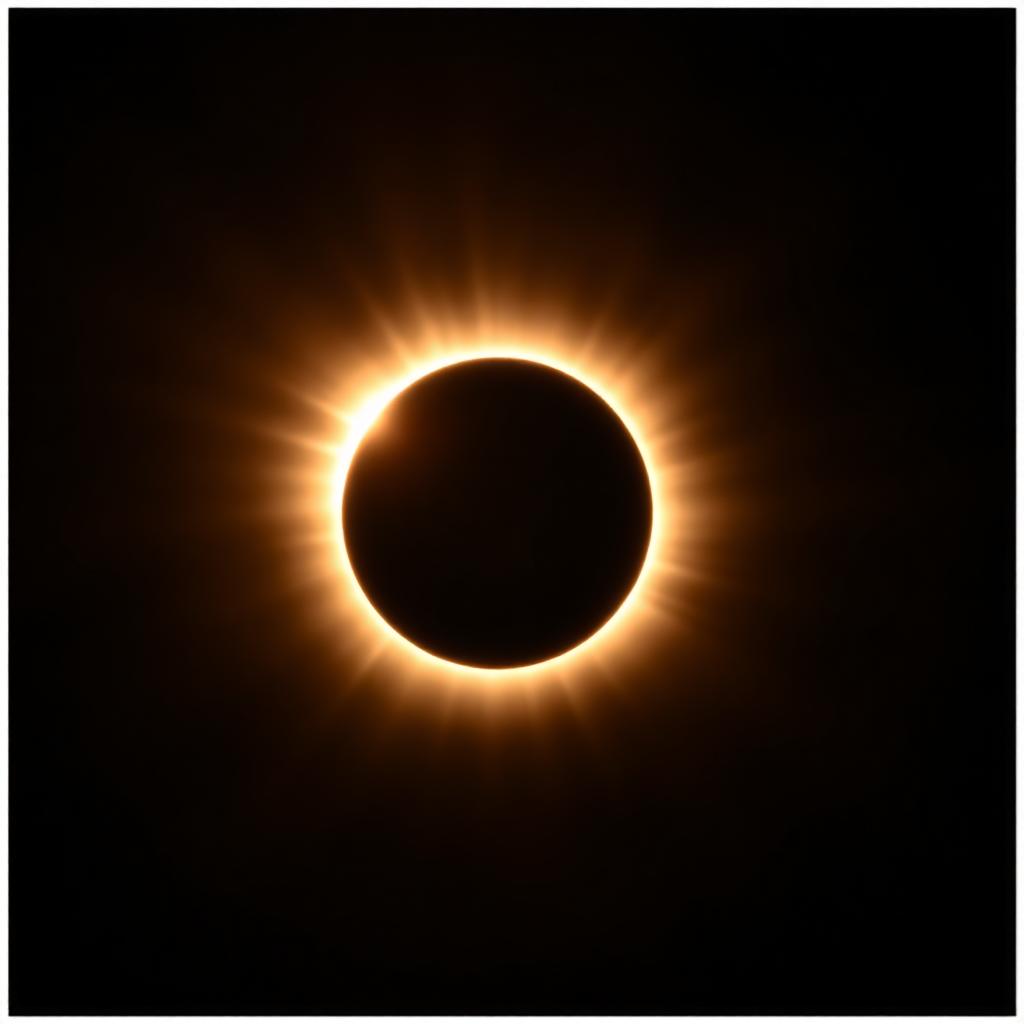
Watching a Solar Eclipse Safely and Well
How solar eclipses actually work, why certified filters are non-negotiable, and how to plan travel, timing, and photography for a totality you will remember for the rest of your life.
 Places
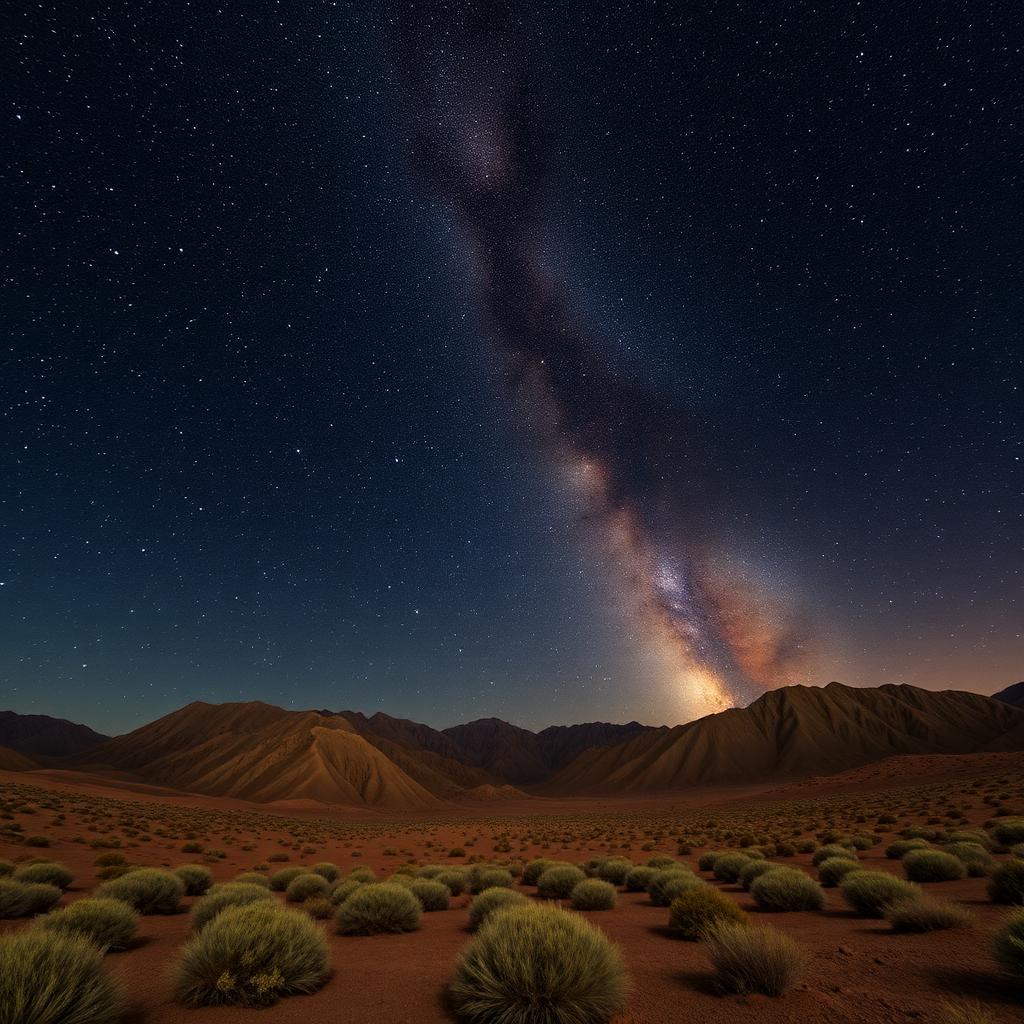
Finding and Visiting a Genuinely Dark Sky Site
How to read light pollution maps like an observer instead of a tourist, what Bortle numbers actually feel like, and how to prepare for your first trip to a truly dark sky.
 Astrophotography
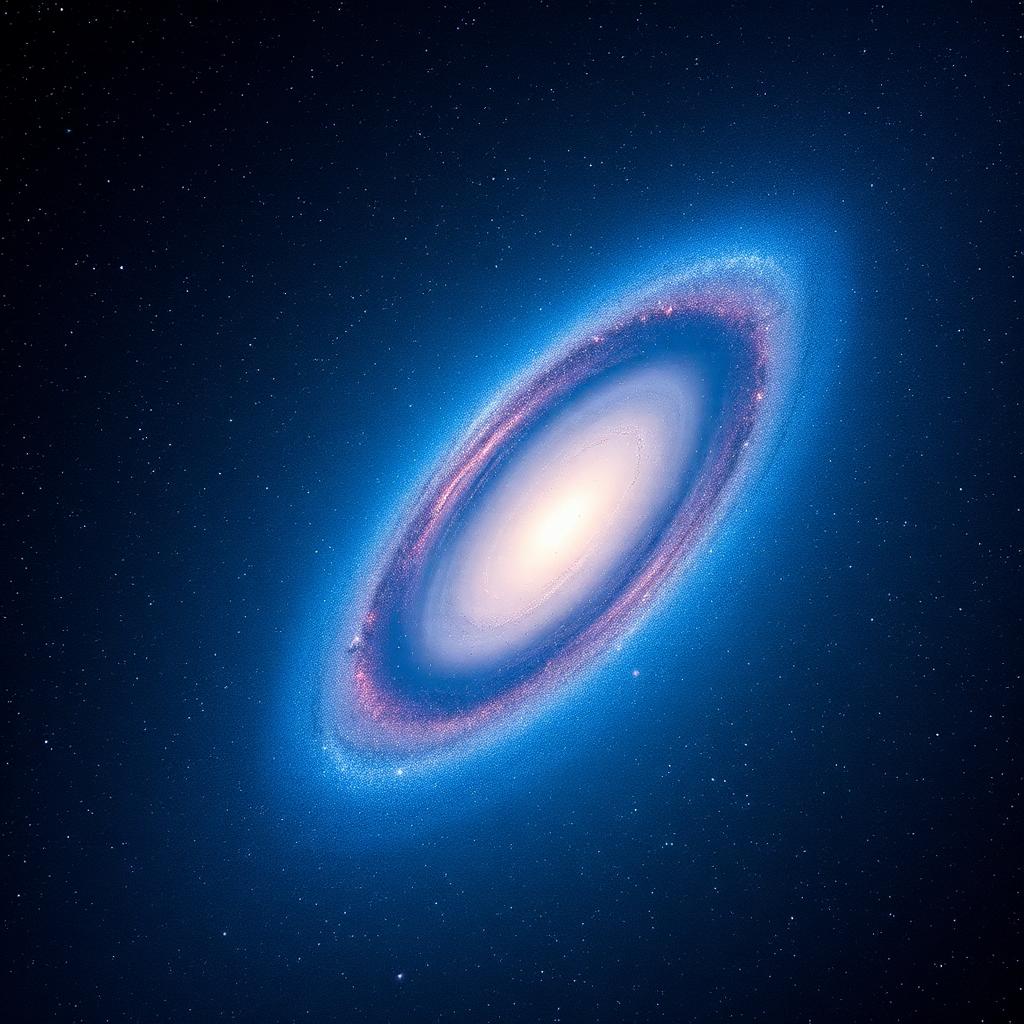
An Honest Introduction to Deep Sky Astrophotography
What deep sky imaging really involves, why the cheapest possible mount will sabotage the most expensive camera, and a step-by-step plan for your first successful photograph of a galaxy or nebula.
 Planets
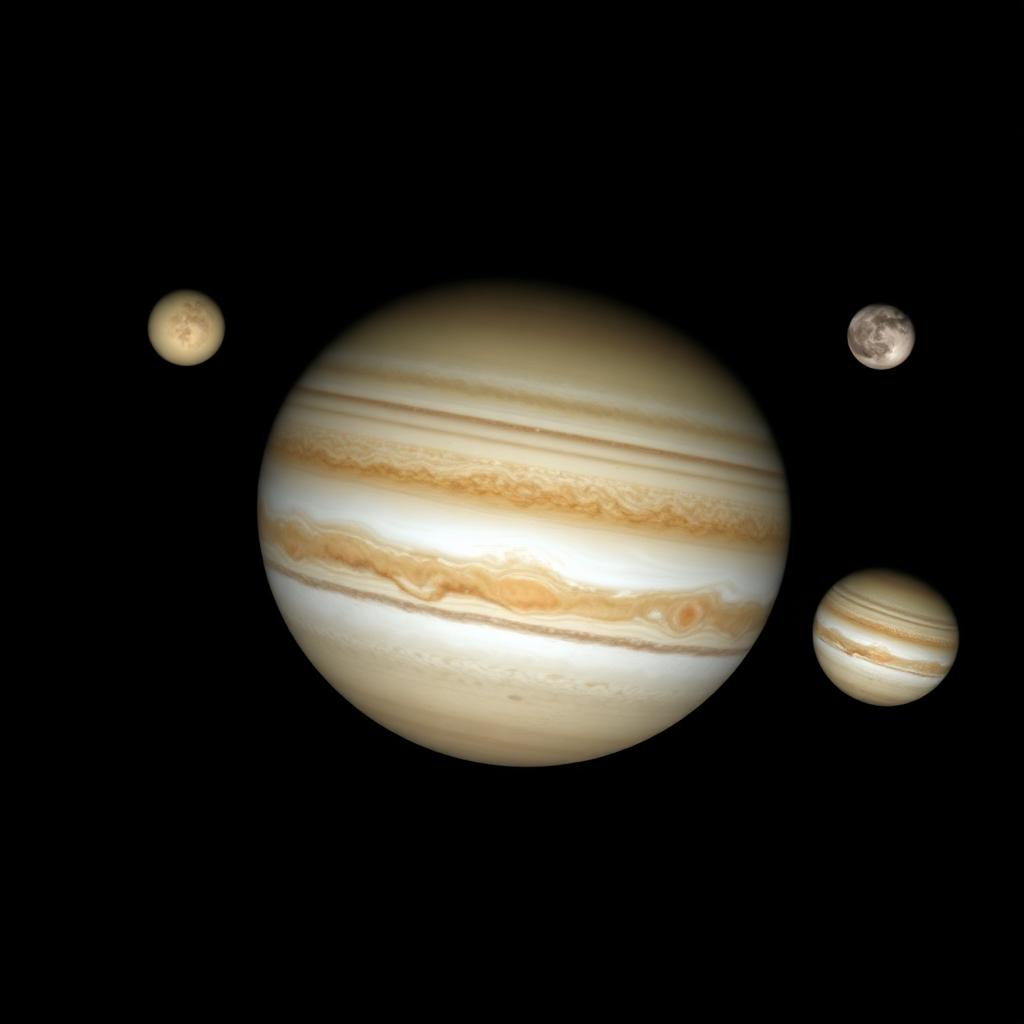
Observing the Bright Planets Through a Small Telescope
What Jupiter, Saturn, Mars and Venus actually look like at the eyepiece, when to observe each, and the small technique changes that transform a fuzzy dot into a memorable view.
 Gear
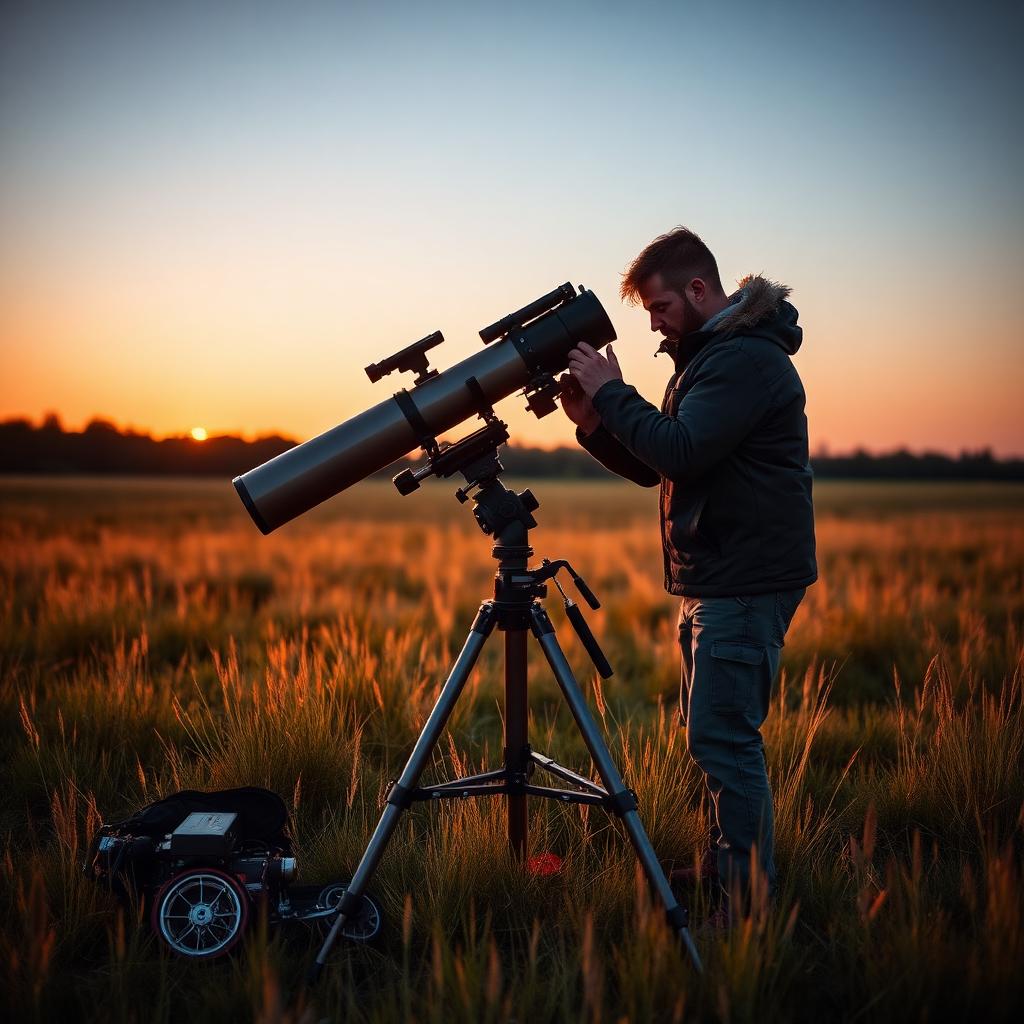
GearYour First Telescope: What Actually Matters and What Does Not
Aperture, mount, focal length and eyepieces demystified, plus honest advice on why the best first telescope is rarely the one with the biggest number on the box.
 Events
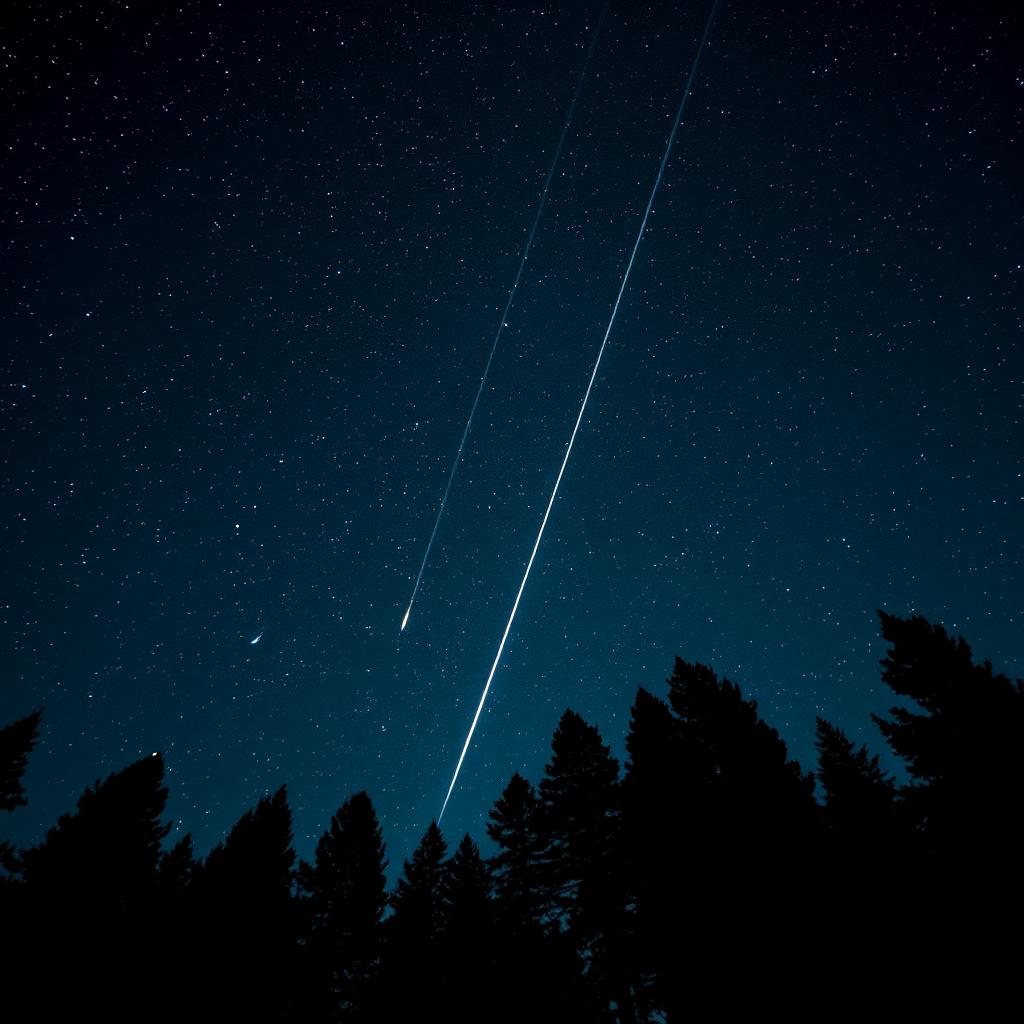
Planning a Successful Meteor Shower Night: From Radiant to Reality
How to read predicted rates, why the radiant matters more than the peak hour, and the small preparation choices that separate a memorable meteor watch from a disappointing one.
 Moon
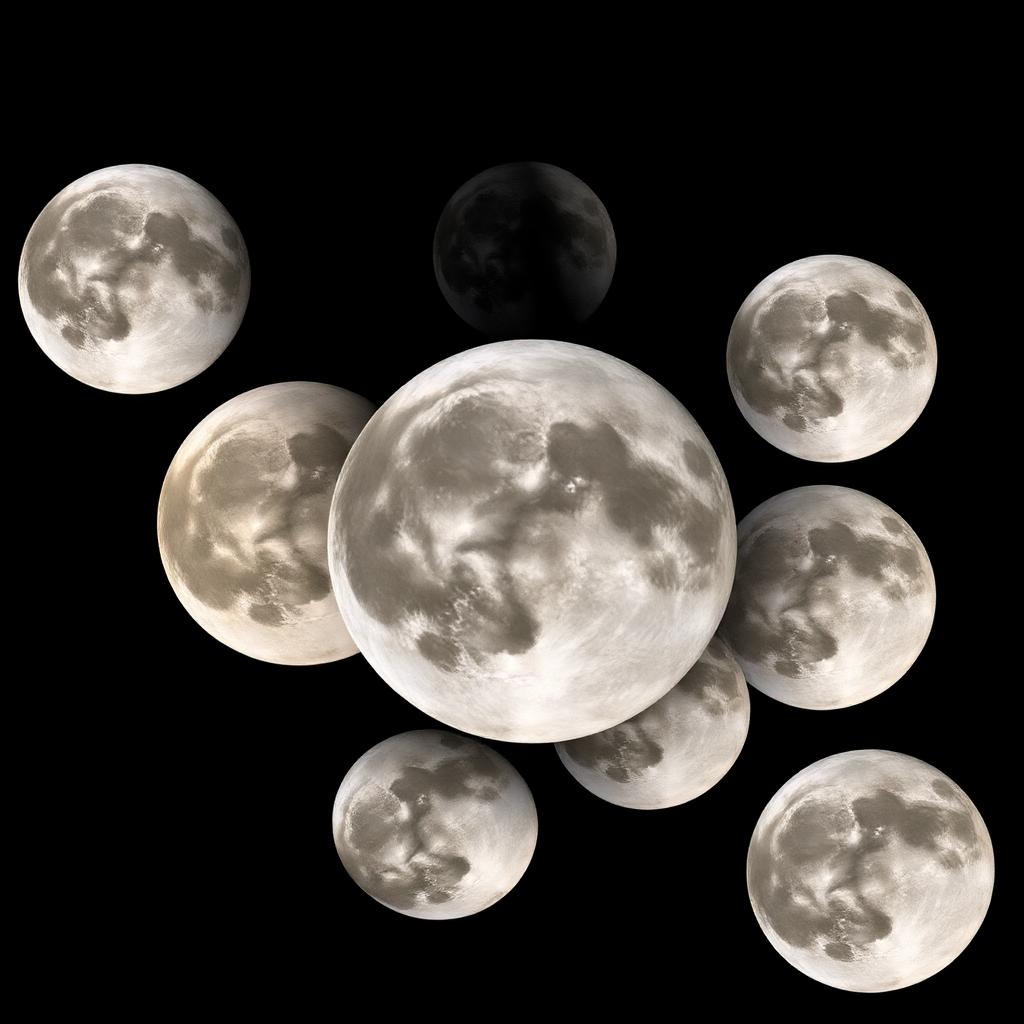
MoonUnderstanding the Lunar Phase Cycle: A Practical Guide for Backyard Observers
Why the Moon changes shape every night, how to predict each phase, and which nights actually make the best observing sessions for craters, planets, and deep sky.