Choosing and Using Binoculars for Astronomy
Why a pair of 10x50s outperforms a cheap telescope on most nights, how to decode the numbers on the barrel, and the dozen targets that look genuinely better in binoculars.
Almost every guide to starting astronomy leads with telescopes, and almost every experienced observer will tell you that was the wrong advice. A decent pair of binoculars costs a fraction of a decent telescope, weighs nothing, needs no assembly, works the instant you step outside, and shows you a wide, bright, right-way-up view that makes the sky comprehensible rather than confusing. Many long-time amateurs own several telescopes and still reach for binoculars first on a casual night.
The reason is field of view. A typical telescope at low power shows about one degree of sky, roughly two Moon-widths. A pair of 10x50 binoculars shows five to six degrees, enough to hold an entire open cluster, a long stretch of Milky Way star clouds, or the whole sword of Orion in one glance. Wide fields let you sweep, and sweeping is how you learn where things are. A telescope shows you a keyhole; binoculars show you the room.
Reading the numbers on the barrel
Every pair is labelled with two numbers, such as 10x50. The first is magnification and the second is the diameter of the front lenses in millimetres. Aperture governs how much light you gather, so 50mm collects roughly twice as much as 35mm and shows noticeably fainter stars. Magnification is the less important of the two, and more is not better: above about 10x, your own pulse and muscle tremor smear the view so badly that you see less detail, not more.
Two derived numbers matter just as much. Exit pupil is aperture divided by magnification, so 10x50 gives 5mm — a comfortable match for a dark-adapted eye, and forgiving if you cannot hold the barrels perfectly centred. True field of view is the apparent field quoted by the maker divided by magnification. Our Telescope Magnification Calculator handles both, and the numbers explain why the classic 7x50 and 10x50 formats have survived a century of fashion.
What to actually look at
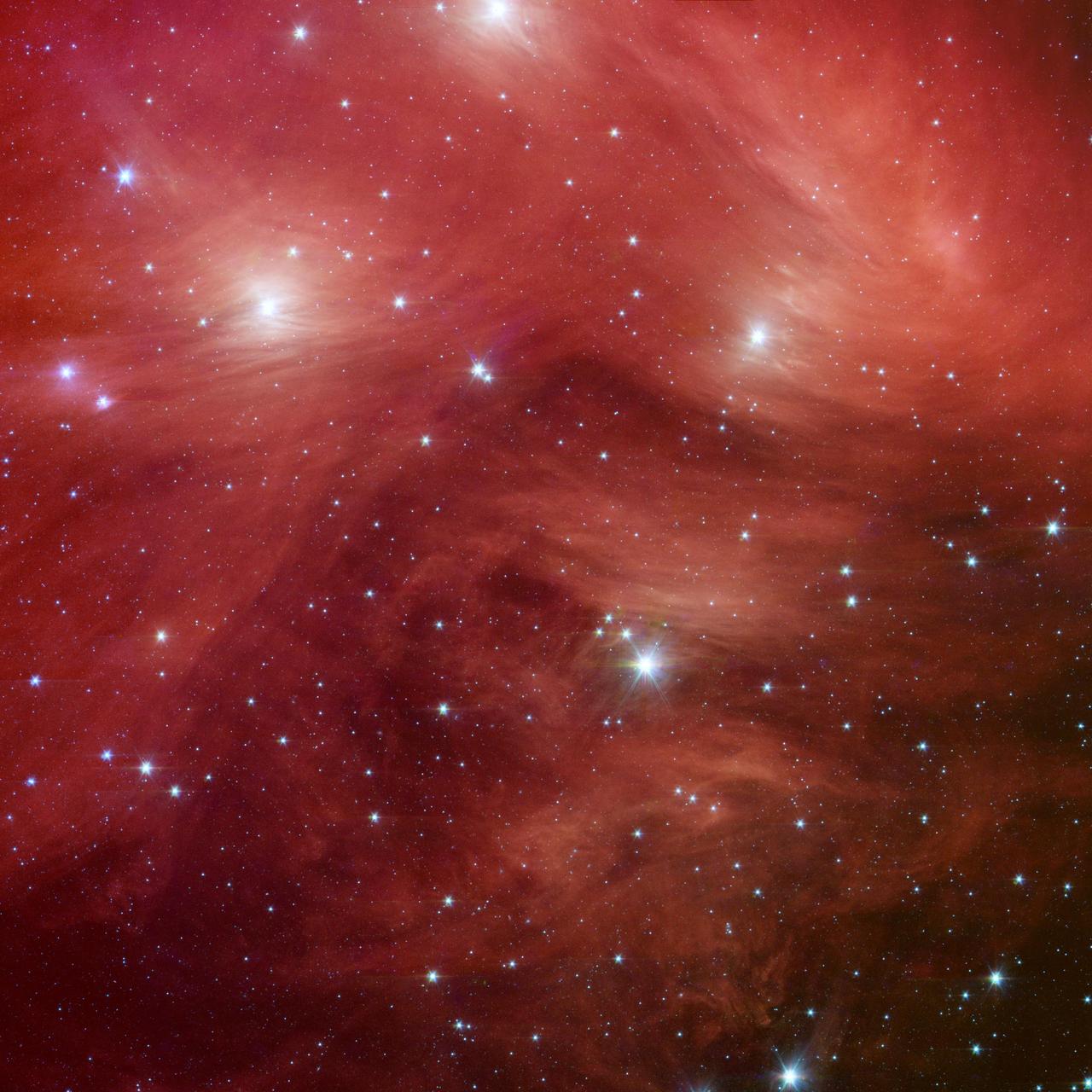
Start with the Pleiades, which overflow most telescope fields but sit perfectly framed in binoculars, then move to the Hyades, the Beehive, and the Double Cluster between Perseus and Cassiopeia. The Andromeda Galaxy is easier in binoculars than in most small telescopes because you can see its full oval extent rather than just the core. The Orion Nebula shows obvious greenish wings. Sweep the summer Milky Way from Sagittarius to Cygnus and you will trip over clusters and nebulae you never planned to find.
The Moon is superb along the terminator even at 10x, and a steady mount will reveal three or four of Jupiter's moons as a tiny line of pinpricks. Binoculars are also the correct instrument for comets, which are usually large, diffuse, and low in surface brightness — exactly the sort of target high magnification destroys. During a meteor shower, keep them around your neck for persistent trains, but watch with your naked eyes.
Holding them still
The single biggest upgrade to any binocular view costs nothing: sit down and brace. A reclining garden chair transforms the experience, because looking up while standing puts your neck under load and your arms into a tremor within a minute. Leaning against a wall, resting your elbows on a fence, or propping the barrels on the roof of a car all work. Most decent binoculars have a threaded socket behind the front hinge that accepts a cheap L-shaped tripod adapter.
For anything above 12x, or for 70mm and larger objectives, a mount stops being optional. A photo tripod works, though you will end up crouching for high targets; a monopod is a reasonable compromise for sweeping. Image-stabilised binoculars genuinely work and feel like magic on stars, but they cost several times as much as a good conventional pair and eat batteries. Buy the chair first.
Buying without wasting money
Look for the phrases fully multi-coated and BAK4 prisms, and prefer the wide-bodied porro-prism shape over slim roof-prism designs at the same price, since roof prisms need expensive phase coatings to match porro performance. Avoid two things outright: zoom binoculars, which compromise sharpness and field at every setting, and anything advertising ruby or red-coated lenses, which are a cosmetic gimmick that wrecks colour rendition.
Test collimation before you commit. Point at a distant object, look through them normally, then slowly pull them away from your eyes while still watching the target. If the two images drift apart into a double image, the prisms are misaligned and the pair will give you a headache within twenty minutes, no matter how good the specification sheet looks. A well-collimated 25-dollar pair beats a misaligned 200-dollar pair every single night.