Finding and Visiting a Genuinely Dark Sky Site
How to read light pollution maps like an observer instead of a tourist, what Bortle numbers actually feel like, and how to prepare for your first trip to a truly dark sky.
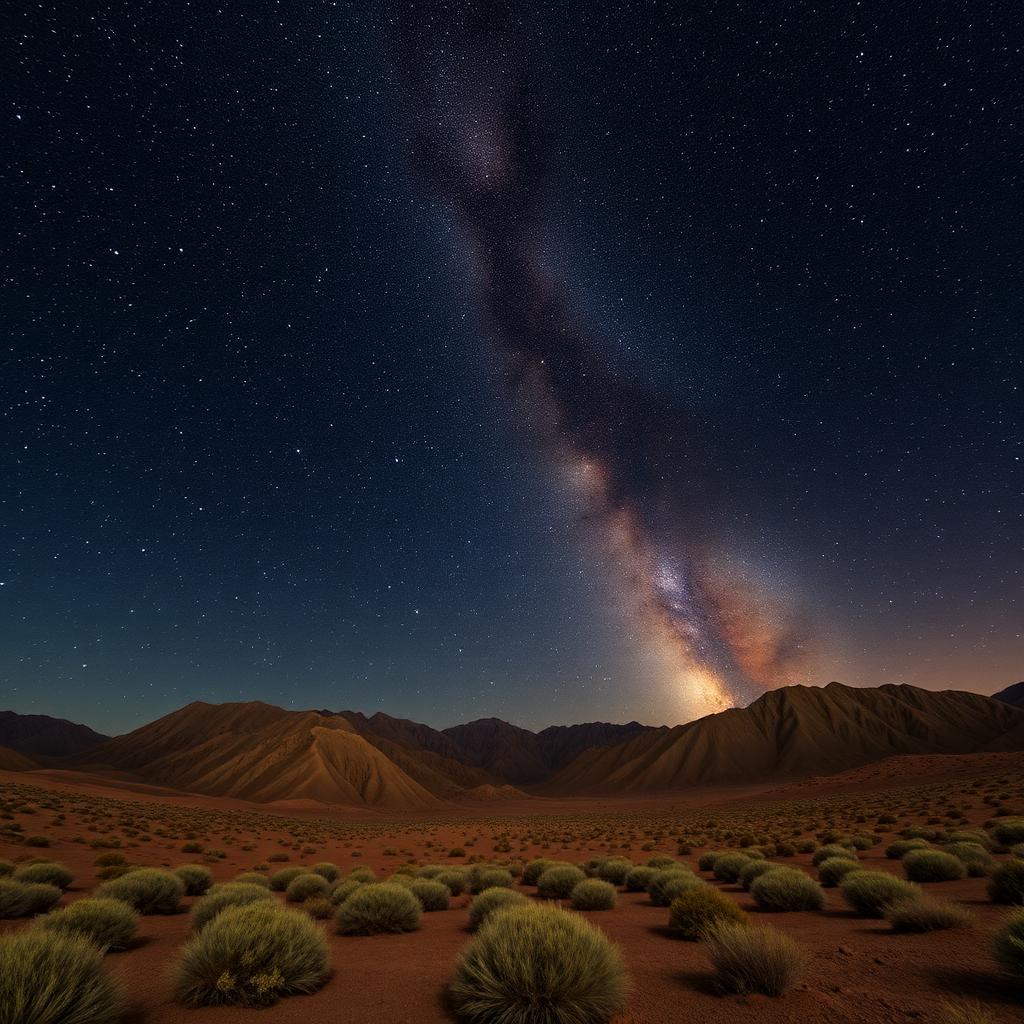
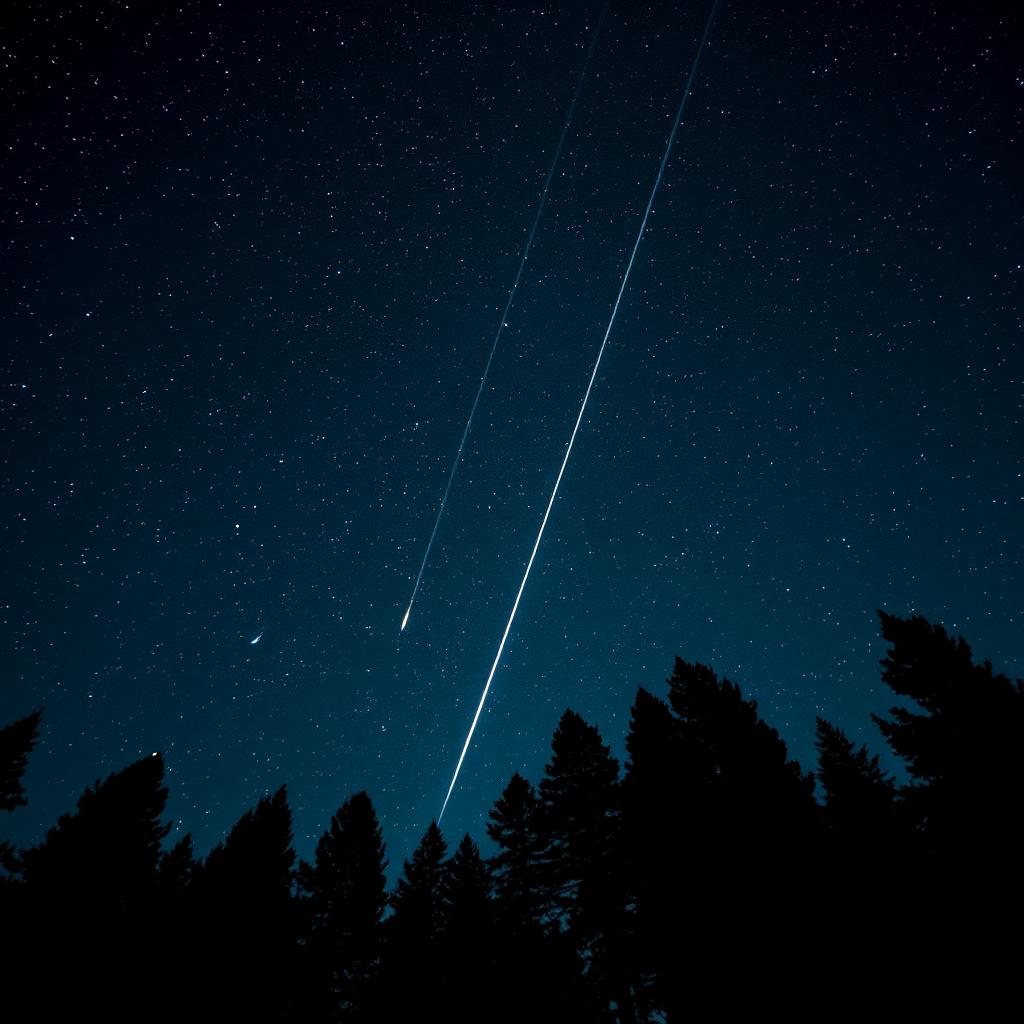
There is a reason people who grew up in cities remember the first time they saw a truly dark sky for the rest of their lives. The naked-eye view under a Bortle 2 sky is a different phenomenon than the same view under city light. The Milky Way is not a delicate suggestion; it is a bright, textured river of light with distinct dust lanes and glowing knots. Zodiacal light rises after sunset. Meteors streak past every few minutes. Getting yourself under such a sky is easier than most people believe.
The obstacle is not distance; it is information. Most observers underestimate how close they live to a genuinely dark site because they only consult general navigation apps. Dedicated light pollution maps, particularly those built on the World Atlas of Artificial Night Sky Brightness, will show you a colour-coded picture of Bortle classes across the whole planet. Learning to read this map is the single skill that unlocks the rest.
The Bortle scale in practical terms
The Bortle scale runs from class 1, an exceptional dark site where the Milky Way casts diffuse shadows on the ground, to class 9, an inner-city sky where only the Moon, planets, and brightest stars are visible. Class 5 is the typical suburban sky most beginners live under; the Milky Way is faint or absent, but hundreds of stars are visible. Class 3 is where transformative observing begins; you can see thousands of stars and easily trace galactic structure.
Do not chase Bortle 1 immediately. The step from your home to a nearby Bortle 4 site often makes a bigger perceptual difference than the step from Bortle 4 to Bortle 1. The reason is that at the darker end, other factors (atmospheric transparency, seeing, altitude, humidity) dominate. A short drive to a genuinely darker sky is almost always better than a long trip to a marginally darker one.
Choosing a site that works
A good dark site has more than just low light pollution. It should have an open horizon in the direction of the objects you want to observe, since trees and hills swallow low targets rapidly. It should be safe to arrive at and leave in the dark. It should tolerate a car parked overnight without concern. Rural cemeteries, county parks, state forest roads, and lake shores frequently combine all of these.
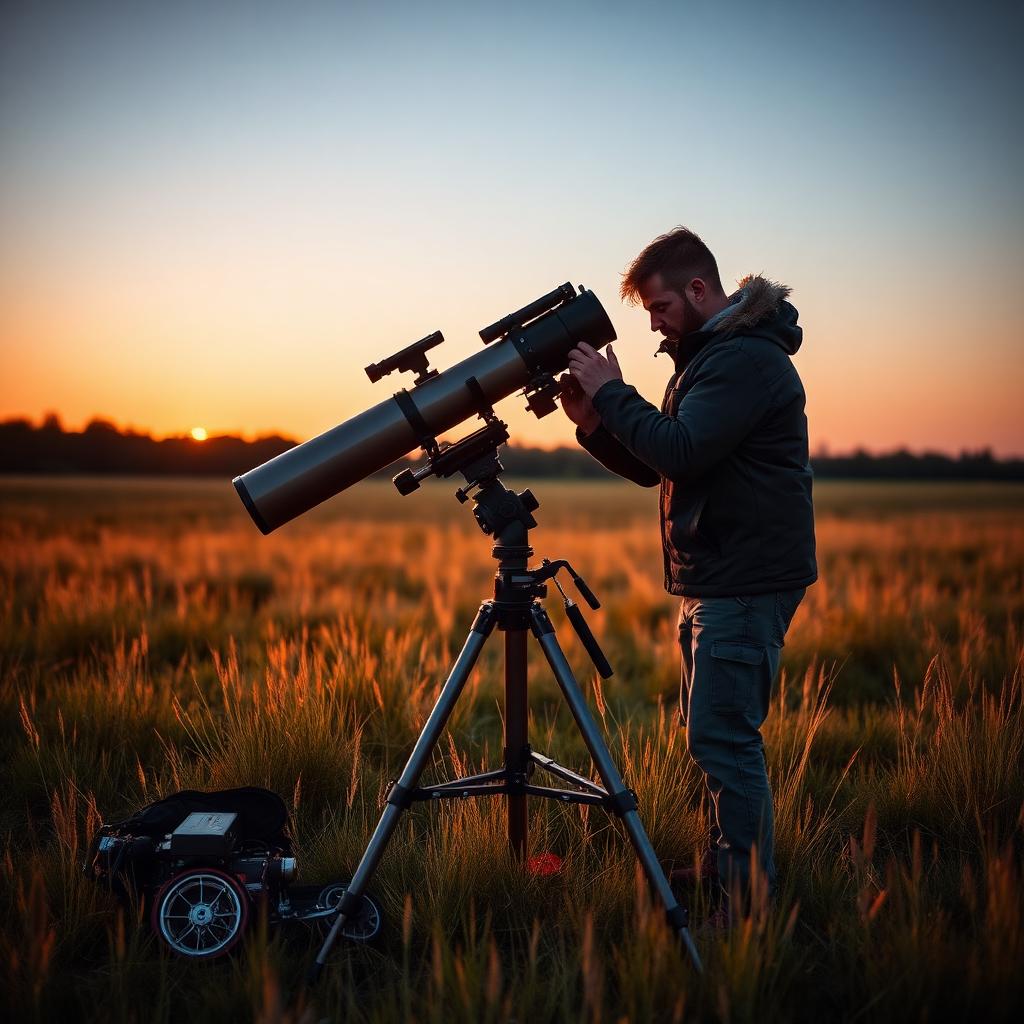
International Dark Sky Places, designated by DarkSky International, are formally protected against light pollution and often have observing pads, benches, and orientation signs. If one exists within a two-hour drive, prioritise it for your first serious dark sky trip; the infrastructure removes half the uncertainty of an unfamiliar location.
Preparing for the trip
Assume you will be at your site for at least four hours. Bring more warm layers than you think you need; body temperature drops rapidly when you are sitting still, and no observer has ever regretted an extra jacket. Bring red light only; a normal white torch will destroy your dark adaptation and probably annoy the observers next to you. A red headlamp with a dimmer is worth its weight in gold.
Study your target list in advance and print a paper star chart. Screen glare from even a phone in night mode reduces contrast on faint objects. Water, snacks, and a comfortable chair matter far more than another eyepiece. If you are driving somewhere remote, leave a rough itinerary with someone at home; the flip side of solitude is that no one will notice a flat battery for a long time.
Being a good neighbour to the sky
Light pollution is reversible. Advocacy for shielded, warm-coloured, motion-activated outdoor lighting genuinely returns stars to city skies within a decade of adoption. Every observer becomes an informal ambassador for this cause simply by inviting neighbours to look through an eyepiece on a clear evening; nothing sells the value of dark skies better than a personal view of Saturn or the Andromeda Galaxy.
Treat every dark site as a shared resource. Arrive quietly, park where you will not sweep headlights across other observers, and leave the site cleaner than you found it. The astronomy community depends on continued welcome from landowners and park managers, and one careless visitor can close a site to everyone for years.